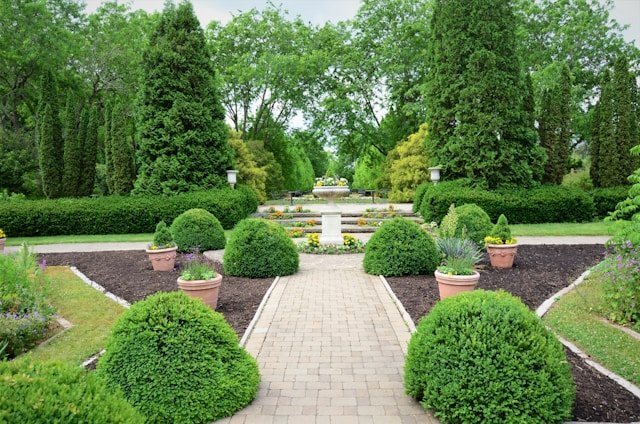
Integrating Stone Work into Urban Gardens: Best Practices
- Business
- July 16, 2026
- No Comment
Urban gardens offer homeowners and landscapers unique opportunities to create serene and functional outdoor spaces. Incorporating stone elements can significantly enhance the aesthetics and usability of these gardens. For those seeking professional assistance, Cypress Hills Landscaping Inc. specializes in landscape stone work toronto on. With over 35 years of industry experience, they have been transforming landscapes in Toronto and the surrounding areas since 1994. Their services include custom landscape design, pools and water features, spas, custom cabanas, outdoor kitchens, pergolas, stonework, woodwork, fireplaces, and outdoor lighting. They serve areas such as Caledon, Nobleton, King City, Vaughan, Kleinburg, Woodbridge, Muskoka, Collingwood, Toronto, and surrounding regions.
Planning Your Stone Work
Before embarking on any landscaping project, thorough planning is essential. Assess the available space, consider the existing landscape, and define the purpose of the stone features. Whether it’s creating a serene retreat or a functional walkway, having a clear vision will guide material selection and design choices.
Additionally, take time to sketch your ideas or use landscape design software to visualize the final garden layout. Think about how sunlight, shade, and wind interact with your garden throughout the year. In urban areas, privacy and noise reduction may also be concerns, which can be addressed by strategic stone placement. Identifying these goals at the onset ensures the result meets both aesthetic and practical needs.
Choosing the Right Materials
Selecting appropriate materials is crucial for durability and aesthetic appeal. Natural stones like granite, limestone, and slate are popular choices due to their longevity and variety. It’s advisable to source materials locally to ensure they blend seamlessly with the surrounding environment and to reduce transportation costs.
Consider the color, texture, and size of the stones, as these elements will significantly influence the overall design. For modern gardens, smooth and uniform stones may be preferred, while rustic settings benefit from irregular, weathered stones. Mix and match stones with different characteristics for a layered, multidimensional appearance, or stick with one type for a cohesive, contemporary vibe.
Incorporating Plants with Stone Elements
Integrating plants with stone features softens the hardscape and adds vibrancy. Ground covers like creeping thyme or sedum can fill gaps between stones, creating a lush, cohesive look. Additionally, planting shrubs or ornamental grasses alongside stone paths or walls enhances visual interest and promotes biodiversity.
Select plants suited to your climate and the unique microenvironments created by stone. For example, sun-loving perennials can flourish near sun-baked rocks, while shade-tolerant ferns or mosses will thrive in shadowy crevices. Start small and observe how plantings respond, adding or transplanting as needed to achieve the desired balance between greenery and stone.
Creating Functional Pathways
Pathways guide movement through the garden and can be both functional and decorative. Using stepping stones or gravel paths allows for water permeability and reduces heat retention, making the garden more comfortable during warmer months. Proper spacing and alignment of stones ensure safety and ease of use.
Consider gentle curves instead of straight lines for a natural look. Edging the pathways with low-growing plants or lighting fixtures adds ambiance and definition. Raised paths or steps can help manage changes in elevation and enhance accessibility for all users, while integrating decorative patterns or mixed materials allows your creativity to shine.
Building Retaining Walls
In urban settings with limited space, retaining walls can create multi-level gardens, adding depth and dimension. Dry-stacked stone walls, constructed without mortar, allow for natural drainage and are suitable for holding back soil on slopes. They also provide opportunities for planting in the crevices, enhancing the wall’s aesthetic appeal.
Strong foundations and proper drainage are pivotal when building retaining walls. Consult with professionals for engineering advice if your wall exceeds three feet in height. Retaining walls also double as seating or decorative backdrops, offering flexibility for entertaining or relaxing amidst your garden oasis.
Designing with Boulders and Rocks
Incorporating boulders and rocks can serve as focal points or natural seating areas. When placing large stones, it’s important to bury a portion of the stone to mimic natural outcroppings, creating a more authentic appearance. This technique also ensures stability and longevity.
Boulders can mark transitions between different garden areas or act as seats along pathways. Use smaller stones to create visual ‘flows’ around the larger boulders, emulating patterns found in natural landscapes. Arranged artfully, stones of all sizes yield a harmonious, organic feel that elevates any outdoor space.
Environmental Considerations
Urban gardens can benefit from sustainable practices. Using permeable materials like gravel reduces runoff and promotes groundwater recharge. Additionally, selecting drought-tolerant plants and implementing efficient irrigation systems contribute to water conservation efforts.
Choose native plants when possible; these require less water and care, and support local wildlife. Rain gardens constructed with stone borders can mitigate flooding and direct stormwater into plant beds for natural filtration. Sustainable stone work not only benefits you but also the broader environment, creating resilient, eco-friendly urban spaces.
Maintenance and Upkeep
Regular maintenance ensures the longevity and beauty of stone features. Periodically check for shifting stones, especially after heavy rains or freeze-thaw cycles. Cleaning stones to remove moss or algae prevents slippery surfaces and maintains their appearance. Incorporating low-maintenance plants reduces the need for frequent upkeep.
Check for weeds growing between stones and pull them early to prevent root damage. Prune plants that encroach on walkways, and replenish gravel or mulch as needed. Annual inspection and prompt repairs to cracks or loose stones will keep your garden looking polished and safe year-round.
Adding Water Features
Water features such as stone fountains, birdbaths, or small waterfalls add soothing sounds and attract beneficial wildlife, like birds and pollinators. Integrate water features with stone surrounds for a cohesive look. These installations can become focal points, offering tranquility and enduring appeal within the urban garden.
Ensure water features are scaled to your space. Small bubbling fountains fit compact courtyards, while larger ponds may suit more expansive areas. Select low-voltage pumps and lights to minimize energy consumption and enhance the ambiance during evening hours.
Stone Work in Small Spaces
Compact urban gardens or balconies can still benefit from the integration of stone elements. Use vertical stone features like stacked stone walls or slim planters to save ground space while adding texture and sophistication. Integrate hanging stone planters or tabletop rock gardens for visual interest on patios and balconies.
Multifunctional stone benches or retaining walls with built-in planters maximize utility, even in tight quarters. Thoughtful design makes every square foot count, allowing city dwellers to enjoy the enduring beauty of stonework no matter the size of their outdoor retreat.
Incorporating stone work into urban gardens requires thoughtful planning and execution. By selecting appropriate materials, integrating plantings, and considering environmental factors, homeowners can create beautiful, functional, and sustainable outdoor spaces.
Also Read This – How Smart Septic System Maintenance Can Save You Money